

Imagine stepping outside not to a static expanse of green, but to a vibrant, living tapestry buzzing with life. Picture butterflies dancing from flower to flower, the gentle hum of native bees, and the cheerful song of birds who have made your garden their home. This vision is not only achievable—it is a joyful and deeply rewarding path for any gardener. By looking beyond the traditional lawn, we open the door to a world of ecological wonder and personal delight. For those ready to start this transformative journey, a wealth of inspiration and resources awaits at https://gradina.space/en/ , a hub for passionate gardeners looking to connect with nature in meaningful ways. Let’s explore how to trade monoculture for a multi-sensory paradise that blooms with life.
Rethinking The Green Carpet: The Joy Of Letting Go
 For decades, the perfect lawn has been held up as a status symbol—a neat, green carpet requiring constant mowing, watering, and chemical treatments. But there is a more joyful, liberating way. Reimagining your lawn isn’t about losing green space; it’s about gaining a richer, more diverse ecosystem right outside your door.
The shift away from a traditional lawn is an act of creativity. It’s a chance to paint with a broader palette of colors, textures, and heights. Instead of fighting nature to keep everything uniform, an eco-friendly garden invites nature to collaborate. This collaboration brings immense joy as you witness the return of life. The first time you see a firefly hovering over a patch of native wildflowers or a lizard sunning itself on a stone where grass used to be, you’ll feel a profound sense of accomplishment. You haven’t just changed your landscaping; you’ve built a home.
Idea 1: The Wildflower Meadow—A Painter’s Palette
One of the most enchanting alternatives to a traditional lawn is converting a section of your yard into a wildflower meadow. This isn’t about letting things get “messy”; it’s about curating a dynamic, season-long display of color that requires far less work than a lawn and provides critical habitat for pollinators.
The Joyful Approach: Start small. Pick a sunny corner and prepare the soil by removing the existing grass. Scatter a seed mix of native wildflowers suited to your region. As the seasons change, so will your view. Spring might bring a wash of delicate blues and pinks from lupines and clover, while summer explodes with the warm golds and oranges of black-eyed Susans and butterfly weed.
The true magic, however, is in the visitors. A wildflower meadow is like a pollinator café, open 24/7. You’ll be treated to the daily drama of bumblebees tumbling into snapdragons and monarch butterflies stopping to refuel on their incredible migrations. It’s a front-row seat to the wonders of nature, all from your own garden.
Idea 2: Water Features For Wildlife And Wonder
Adding a water source is one of the most generous and joyful things you can do for local wildlife. It doesn’t require a large pond or a complex filtration system. A simple, shallow dish or a repurposed birdbath can become a vital oasis.
The Joyful Approach: Place a shallow, wide dish or birdbath on the ground or on a low pedestal. Add a few large stones that protrude from the water, providing safe landing spots for bees and butterflies who need to drink without drowning. The sound of a small, solar-powered bubbler can add a layer of tranquility to your garden, and the movement will attract even more birds who are drawn to the glint of moving water.
Imagine the simple pleasure of watching a tiny chickadee take a spirited bath, splashing water droplets that catch the afternoon sun. Or the sight of a swallowtail butterfly, wings slowly opening and closing as it sips from the water’s edge. These moments are tiny gifts that turn a garden into a sanctuary.
Idea 3: The “No-Dig” Method—Gardening With The Soil
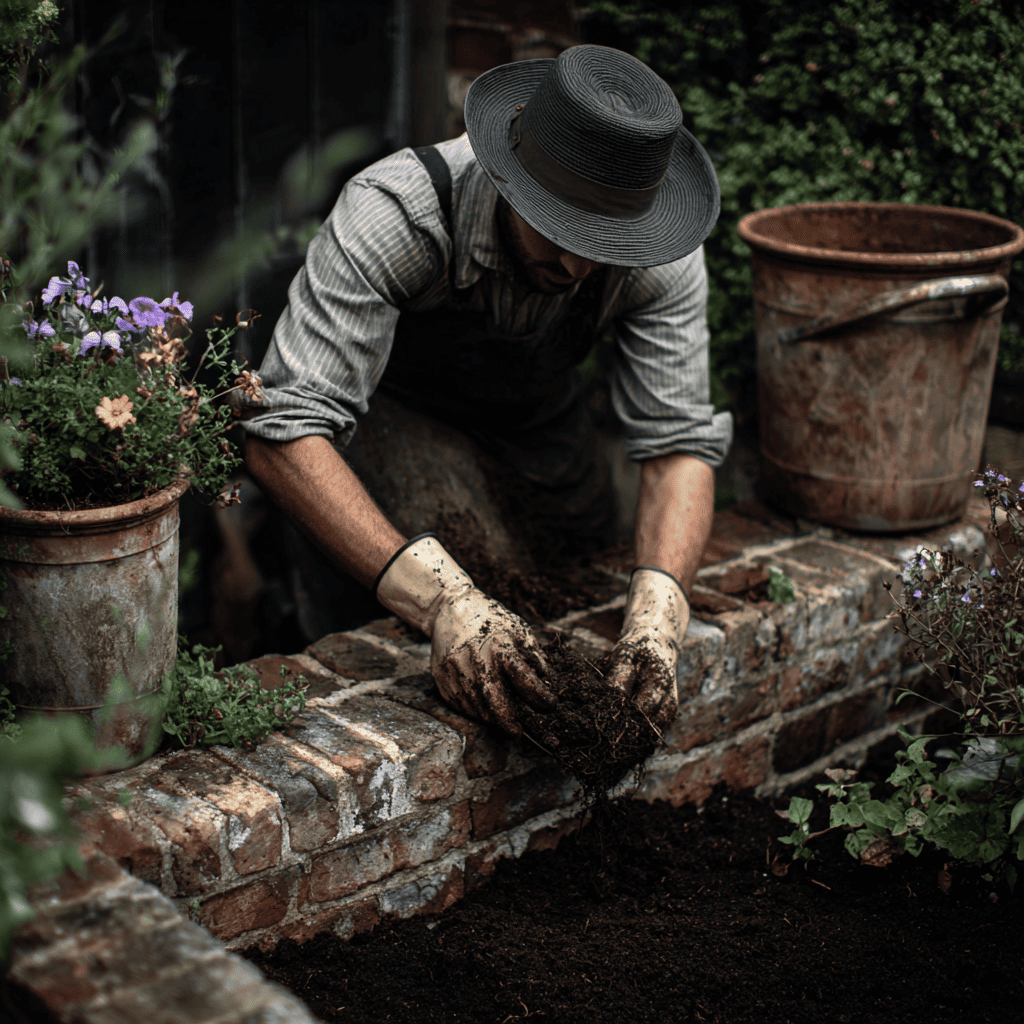
An eco-friendly garden starts from the ground down. The “no-dig” gardening method is a joyful, back-saving approach that builds healthy soil, suppresses weeds, and sequesters carbon. Instead of tilling and disrupting the complex web of life beneath our feet, no-dig gardening works with it.
The Joyful Approach: The principle is simple: layer organic matter on top of the soil. Start by suppressing existing grass or weeds with a thick layer of cardboard. Then, add alternating layers of compost, straw, and leaves. Worms and soil microorganisms will do the heavy lifting, pulling the organic matter down and creating a rich, aerated soil structure.
This method is joyful because it’s so easy and incredibly effective. Your plants will thrive in the rich soil, and you’ll spend far less time weeding and watering. It transforms gardening from a series of arduous tasks into a gentle partnership with the earth’s own processes.
Idea 4: Planting For The Full Circle—Host And Nectar Plants
To truly bloom with life, an eco-friendly garden needs to provide for wildlife at every stage. This means planting not just for adult butterflies and bees, but also for their larval stages. Many of us know to plant milkweed for monarch caterpillars, but other native insects have similar needs.
The Joyful Approach: Research a few “host plants” for your area. For example, planting dill, fennel, or parsley can invite beautiful black swallowtail butterflies, whose caterpillars will happily munch on the leaves. This might seem counterintuitive at first—allowing plants to be eaten—but it is the ultimate act of ecological generosity.
The joy comes from watching the full life cycle unfold. You’ll see the tiny caterpillar eggs, watch the larvae grow and transform, and eventually witness the emergence of a beautiful butterfly, knowing your garden provided everything it needed to survive. It’s a humbling and thrilling experience.
Idea 5: Create A “Bug Hotel” And Brush Pile
Not all wildlife needs flowers. Many of our most important garden helpers—solitary bees, ladybugs, and other beneficial insects—need places to nest and hide. A “bug hotel” or a simple brush pile can provide this critical shelter and add a charming, rustic feature to your garden.
The Joyful Approach: Building a bug hotel can be a fun, creative project. Use old pallets, bamboo canes, pinecones, and hollow stems to create a structure with lots of nooks and crannies. Place it in a sheltered spot and watch as tiny residents move in. Similarly, a small pile of twigs and branches in a quiet corner can provide shelter for toads, beetles, and small mammals.
Knowing that your garden is a full-service habitat—providing food, water, and shelter—brings a deep sense of satisfaction. You are not just a gardener; you are a conservationist, making a tangible difference in your own backyard.
The Ripple Effect Of Joy
Choosing to go beyond the lawn creates a ripple effect of positivity. It reduces your water usage, eliminates the need for chemical fertilizers and pesticides, and creates a haven for biodiversity. But the most profound impact is on your own well-being. An eco-friendly garden is a dynamic, ever-changing source of wonder, connection, and pure, simple joy. It invites you to slow down, observe, and participate in the natural world. So, step beyond the green carpet and into a richer, more vibrant life. Your garden—and the planet—will thank you for it.